Compare Local Contractors for Reliable Plumbing Services
Compare local contractors to define scope, verify experience, and set clear expectations, ensuring property owners choose the right plumbing professional for their project.
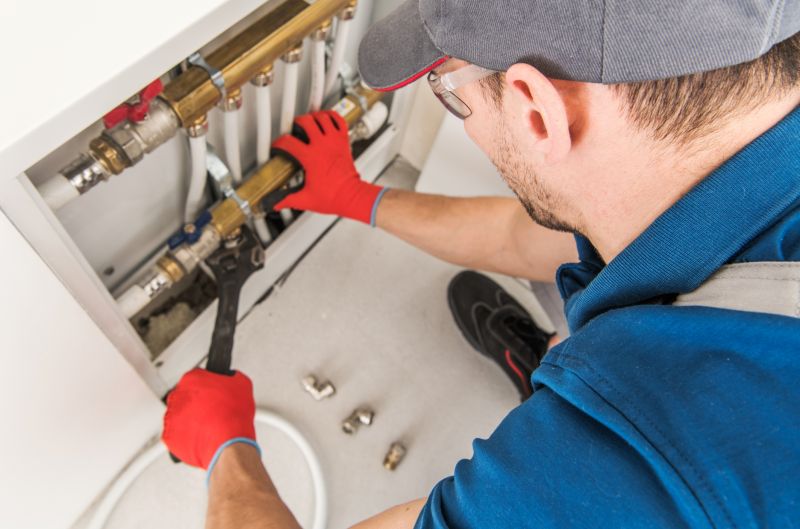
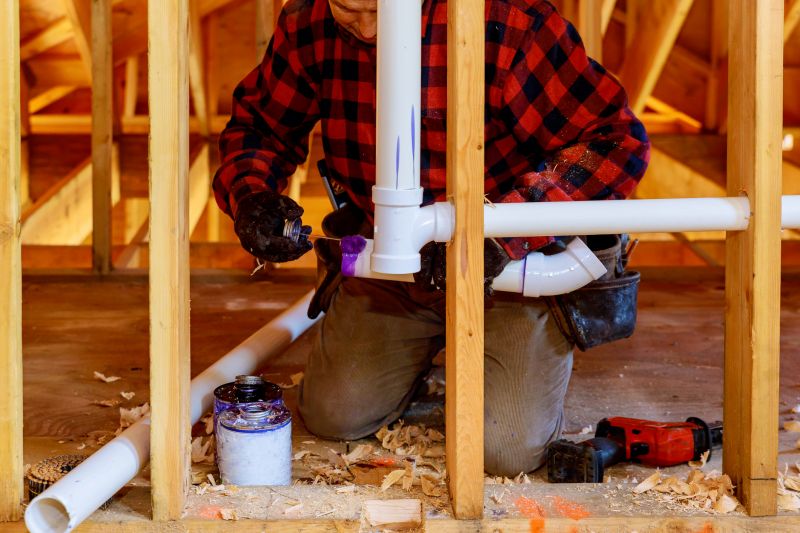
Plumbing contractors handle a wide range of services related to the installation, repair, and maintenance of plumbing systems within residential, commercial, and industrial properties. Typical work includes fixing leaks, replacing fixtures, installing new piping, and addressing drainage issues. These professionals are skilled in managing both routine tasks and more complex projects, such as remodeling bathrooms or upgrading plumbing infrastructure. Understanding the scope of work involved helps property owners clarify what tasks are included and ensures that the chosen contractor can meet the specific needs of the project.
Defining the scope of plumbing work is essential for establishing clear expectations and avoiding misunderstandings. A detailed scope outlines the specific tasks to be performed, the materials involved, and the desired outcomes. When property owners specify their requirements in writing, it provides a reference point that can be used to verify that the work performed aligns with initial agreements. Clear scope definition also helps prevent scope creep, ensures all parties are on the same page, and facilitates effective communication throughout the project.
Property owners seeking to connect with local contractors can compare their options by evaluating experience, reputation, and the range of services offered. It’s practical to review credentials, ask for references, and verify that contractors have successfully completed similar projects in the past. Comparing service providers also involves assessing their ability to understand project requirements and their willingness to provide detailed written proposals or estimates. By gathering this information, property owners can make informed decisions and select contractors who are best suited to handle their plumbing needs efficiently and reliably.
Compare local contractors by outlining your project priorities, verifying experience, and setting clear expectations in writing.
- Compare Contractor Experience - Review the backgrounds and specialties of local contractors to ensure they meet the specific plumbing needs of the project.
- Define Project Scope Clearly - Outline the work details and expectations in writing to prevent misunderstandings.
- Verify Credentials and References - Check references and past work to assess the reliability and quality of local service providers.
- Set Expectations in Writing - Document all project details, including scope and responsibilities, to establish clear communication with contractors.

Before comparing local contractors, clearly describe your plumbing project, scope, and expectations to ensure accurate assessments.
- Verify experience and references for plumbing contractors to ensure they have handled similar projects successfully. - Look for service providers who clearly define the scope of work and outline project expectations in writing.
- Compare multiple local contractors to assess their expertise, reputation, and the quality of their previous work. - Ensure that each contractor provides detailed descriptions of the services they offer and their approach to plumbing issues.
- Check that service providers are knowledgeable about local plumbing codes and regulations relevant to the project. - Confirm that contractors are familiar with the requirements to help prevent compliance issues later.
- Ask service providers about their process for diagnosing plumbing problems and proposing solutions. - Clear communication about their approach can help set accurate expectations for the scope of work.
- Ensure that all project details, including scope, materials, and responsibilities, are documented in a written agreement. - This helps avoid misunderstandings and provides a reference throughout the project.
- Assess the contractor’s communication style and responsiveness to ensure they are transparent and easy to work with. - Effective communication is key to coordinating expectations and addressing any concerns during the project.
Compare local contractors’ experience, scope of work, and written expectations to find the best match.


Use consistent comparison criteria across local contractors by clearly defining scope, verifying experience, and setting written expectations.
- Scope Definition - Clearly outline the specific plumbing tasks and areas to be addressed in the project.
- Material Requirements - Specify the types and quality of plumbing materials needed for the job.
- Work Specifications - Detail the expected work procedures, fixtures, and installation standards to be followed.
- Project Boundaries - Identify any limitations or exclusions to ensure all parties understand the scope of work.
- Documentation Expectations - Establish the need for written agreements that specify the scope, responsibilities, and deliverables.
When evaluating plumbing contractors, it’s important to consider their experience with projects similar to the work needed. Homeowners should inquire about the types of plumbing jobs the service providers have handled in the past, ensuring they have relevant expertise for the specific scope of the project. A contractor’s familiarity with comparable installations, repairs, or upgrades can provide insight into their ability to manage the complexities of the job effectively and efficiently.
A clear, written scope of work is essential when comparing service providers. Homeowners should seek detailed descriptions of what each contractor plans to do, including the materials to be used and the specific tasks involved. Having a documented scope helps prevent misunderstandings and sets clear expectations for the project’s deliverables. It also provides a foundation for evaluating whether a contractor’s proposed approach aligns with the homeowner’s needs.
Verification basics involve confirming that the service providers have a history of completing similar projects successfully and can provide references or examples of past work. Homeowners should ask for proof of experience, such as project summaries or client contacts, to gain confidence in the contractor’s capabilities. Additionally, verifying that the contractor adheres to local codes and standards can help ensure the work will meet necessary requirements and reduce potential issues down the line.
When comparing options, homeowners should focus on how well each contractor’s experience, scope, and approach align with their project goals. It’s helpful to review written proposals or descriptions of the work to assess clarity and thoroughness. Asking service providers about their process, communication style, and how they handle unexpected issues can also inform the decision. Ultimately, choosing a contractor involves evaluating their expertise, professionalism, and how well their proposed plan matches the project’s needs-without relying solely on price or timeline considerations.
Ask contractors to provide written scope details to ensure clarity and consistency throughout the project.
- Experience and Credentials - What specific plumbing services and projects have local contractors handled successfully?
- Scope of Work - How can the scope of the plumbing project be clearly defined and documented in writing?
- Comparison Criteria - What factors should be considered when comparing the qualifications and backgrounds of different service providers?
- Scope Clarification - How can you ensure that the details of the plumbing work are fully understood and agreed upon before starting?
- Communication and Expectations - What questions should be asked to verify how local contractors will communicate progress and handle potential issues?
How can I compare plumbing contractors effectively? It's helpful to review their experience, verify references, and ensure the scope of work is clearly defined in writing to make an informed comparison.
What should I consider when defining the scope of plumbing work? Clearly outline the specific tasks needed, materials required, and the expected outcomes to set clear expectations with contractors.
How do I verify the experience of a plumbing service provider? Ask for details about their past projects, request references, and check how long they have been working in the plumbing industry.
Why is it important to have the scope of work in writing? Having a detailed, written agreement helps prevent misunderstandings and provides a clear record of what is expected from the contractor.
What questions should I ask a plumbing contractor before hiring? Inquire about their previous experience, the scope of work they can handle, and how they typically approach plumbing projects similar to yours.
How can I ensure a plumbing contractor is a reliable choice? Review their credentials, verify references, and compare their proposed scope and approach to ensure it aligns with your project needs.
This page provides an overview of how to find and compare local contractors for plumbing services. Visitors learned the importance of defining the scope of work clearly, verifying the experience of service providers, and setting expectations in writing to help ensure a smooth process. By exploring different options and gathering information, it becomes easier to identify the right professionals for specific plumbing needs.
To make an informed choice, use the quote form to compare local service providers and explore available options. Taking the time to review contractor details and ask questions can help in selecting the best fit for the project. Connecting with qualified local contractors through this process can support the planning and preparation needed for plumbing work.