Get Drain Line Replacement
Drain line replacement services involve local contractors fixing or replacing damaged underground pipes to prevent leaks, backups, and costly property damage.
If you're considering drain line replacement, you're in the right place to explore your options. Property owners in the area often face issues such as aging pipes, persistent clogs, or the need to upgrade drainage systems to meet current standards. Understanding the practical benefits of replacing drain lines can help inform your planning process, whether you're preparing for a renovation or addressing ongoing drainage concerns. Continuing to read can provide valuable insights into how local contractors can assist with these projects and what factors might influence your decision.
Comparing local service providers ensures you find experienced professionals who can handle drain line replacement efficiently and effectively. Many property owners choose to explore their options carefully to select a team that aligns with their project needs. Gathering information about available services can help you make informed decisions about the best course of action for your property’s drainage system. Keep reading to learn more about how local contractors can support your drain line replacement project.
- Drain Line Replacement - needed when existing drain lines are damaged, cracked, or clogged beyond repair.
- Drain Line Replacement - required if persistent backups or slow drains indicate a compromised sewer or main line.
- Drain Line Replacement - necessary after tree root intrusion has caused significant pipe damage or blockages.
- Drain Line Replacement - essential when old pipes are corroded or deteriorated, leading to leaks and potential property damage.
- Drain Line Replacement - advised if ongoing sewage odors or frequent backups suggest a failing drain system.
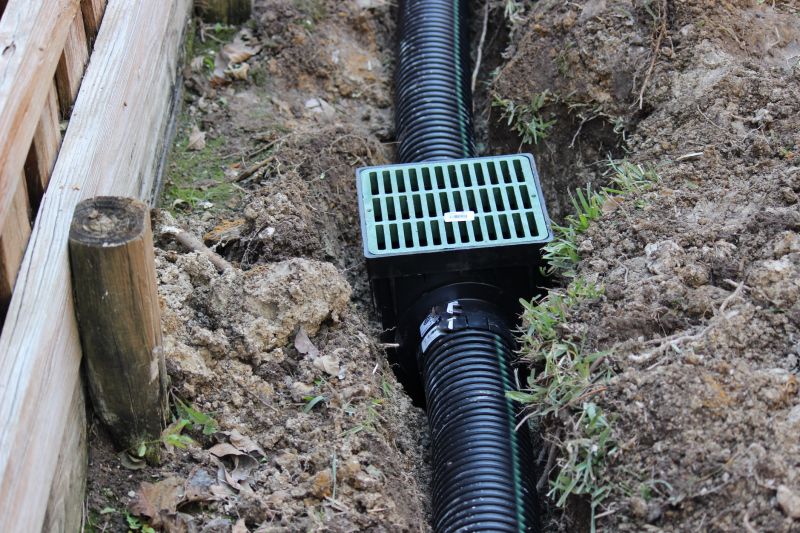
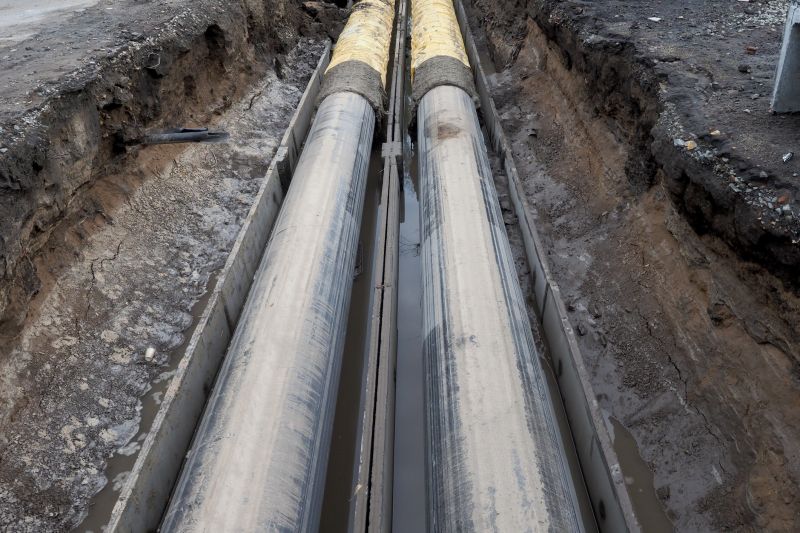
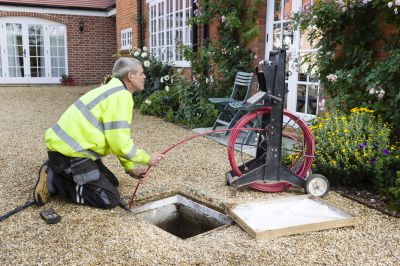
Drain line replacement services involve removing and replacing existing drain pipes that are no longer functioning properly. Over time, drain lines can become damaged or deteriorated due to age, corrosion, or shifting soil. When issues like persistent clogs, foul odors, or water backups occur, replacing the affected drain lines can restore proper flow and prevent further plumbing problems. Professional contractors use specialized tools and techniques to ensure the new drain lines are installed correctly, helping to maintain the overall health of the plumbing system.
This service helps address common problems such as cracked or collapsed pipes, root intrusion, and leaks that can cause water damage and unsanitary conditions. Faulty drain lines can lead to slow drainage, recurring clogs, and unpleasant odors that disrupt daily routines. Replacing damaged drain lines not only resolves these issues but also reduces the risk of future plumbing failures, saving homeowners from costly repairs down the line. Service providers can assess the condition of existing pipes and recommend the most effective solution to restore reliable drainage.
Drain line replacement is often needed in properties where aging or damaged plumbing systems are present. This includes older homes with original piping, properties that have experienced ground shifting or settling, and buildings with a history of frequent plumbing issues. Both residential and commercial properties may require drain line replacement, especially when drainage problems affect basements, crawl spaces, or outdoor areas. Local contractors can evaluate the specific needs of each property and recommend the appropriate scope of work to ensure proper function and long-term durability.
Homeowners should consider drain line replacement if they notice signs like persistent backups, slow draining sinks or tubs, gurgling sounds from drains, or foul odors emanating from plumbing fixtures. These issues often point to underlying pipe damage or blockages that cannot be resolved through simple cleaning or repairs. Contacting experienced service providers can help determine whether a drain line replacement is necessary, providing a reliable solution to restore proper drainage and prevent future plumbing setbacks.
The overview below groups typical Drain Line Replacement projects into broad ranges so you can see how smaller, mid-sized, and larger jobs often compare in your area.
In many markets, a large share of routine jobs stays in the lower and middle ranges, while only a smaller percentage of projects moves into the highest bands when the work is more complex or site conditions are harder than average.
Smaller Repairs - Typically, minor drain line repairs or replacements cost between $250 and $600. Many routine jobs fall within this range, especially for straightforward fixes in accessible areas.
Moderate Replacement Projects - Larger drain line replacements or repairs usually range from $600 to $1,500. These projects may involve some excavation or removal of existing piping and are common for average-sized jobs.
Full Drain Line Replacement - Complete replacements of an entire drain line often cost between $1,500 and $3,500. Many local contractors handle these projects within this range, depending on the length and complexity of the pipe system.
Complex or Extensive Work - Larger, more complex drain line projects can reach $5,000 or more, especially if they involve significant excavation, difficult access, or additional repairs. Fewer projects fall into this highest tier, but they are necessary for complex situations.
Actual totals will depend on details like access to the work area, the scope of the project, and the materials selected, so use these as general starting points rather than exact figures.
Sewer Line Repairs - technicians use similar skills and tools to locate and repair damaged or clogged sewer lines, ensuring proper drainage and system functionality.
Slab Leak Detection and Repair - involves identifying and fixing leaks beneath concrete slabs, requiring knowledge of plumbing systems and the use of specialized detection equipment.
Main Water Line Replacement - replacing or repairing the primary water supply line involves planning and excavation skills comparable to drain line replacement projects.
Underground Utility Line Installation - installing or repairing underground utility lines demands similar planning, excavation, and pipe installation techniques as drain line work.
Storm Drain System Installation - involves installing or repairing outdoor drainage systems, requiring expertise in pipe layout, trenching, and drainage planning.
Bathroom Plumbing Remodels - upgrading bathroom plumbing systems involves rerouting pipes and managing drainage connections, sharing skills with drain line replacement tasks.
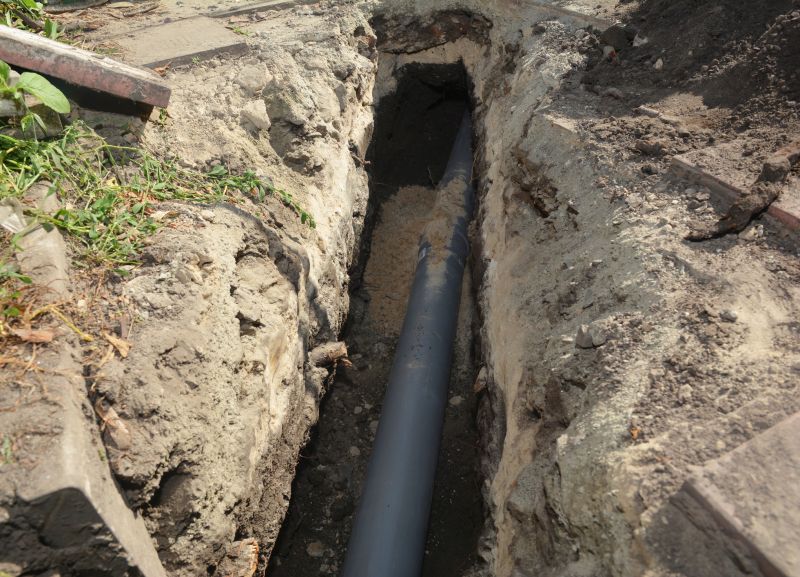
When evaluating options for drain line replacement, it’s important to consider the experience of local contractors with similar projects. Homeowners should look for service providers who have a proven track record of handling drain line repairs and replacements comparable to the scope of their own needs. Asking about previous work can help gauge a contractor’s familiarity with the specific challenges involved, ensuring they have the practical know-how to complete the job effectively and efficiently.
Clear, written expectations are essential to a smooth project. Homeowners should seek out service providers who can offer detailed descriptions of their process, scope of work, and materials involved. This transparency helps prevent misunderstandings and ensures everyone is aligned on what will be done. When reviewing options, it’s beneficial to request written estimates or proposals that outline these details, providing a clear basis for comparison among local contractors.
Reputation and communication are also key factors when choosing a drain line replacement specialist. Homeowners can benefit from references or reviews that speak to a contractor’s reliability, quality of work, and professionalism. Good communication throughout the process-such as prompt responses to questions and clarity about procedures-can make the experience less stressful and more predictable. While the site connects homeowners with local service providers, it’s important to verify these qualities directly when selecting a contractor to ensure a successful project outcome.
Property owners use Drain Line Replacement services for practical projects around their homes and businesses. This guide focuses on everyday jobs and straightforward project options.
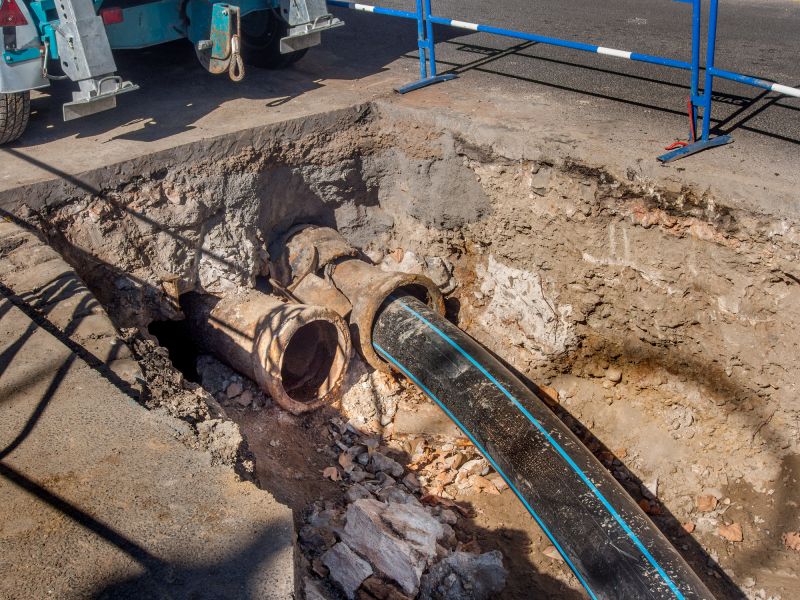
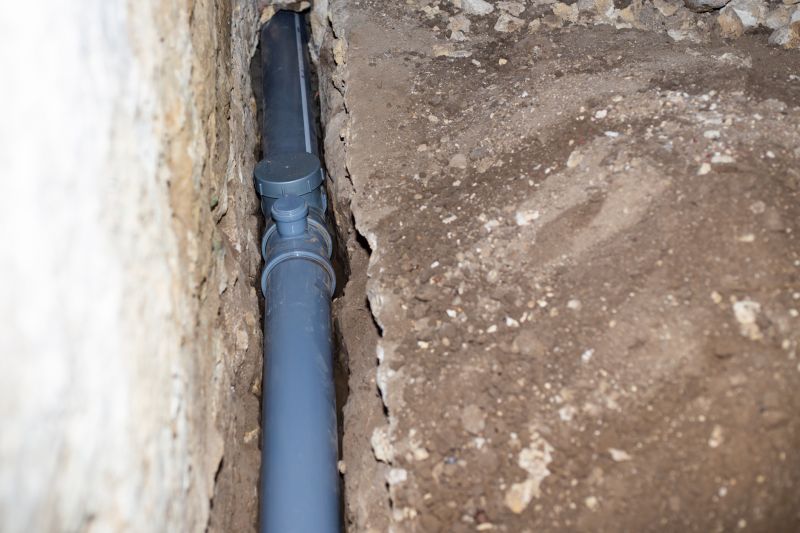
Drain line replacement services are often needed when property owners notice persistent clogs, foul odors, or slow drainage in sinks, toilets, or outdoor drains. Over time, tree roots, debris buildup, or aging pipes can cause blockages or damage to underground drain lines, leading to potential backups or water leaks. Local contractors can assess these issues and provide solutions to restore proper drainage, helping to prevent more serious plumbing problems down the line.
Homeowners may also seek drain line replacement after experiencing recent plumbing emergencies or during major renovations that involve relocating or upgrading existing pipes. In some cases, old or deteriorating drain lines may be more susceptible to cracks or leaks, which can compromise the property’s foundation or cause water damage. Local service providers are available to handle these projects, ensuring that drainage systems function efficiently and reliably.
What is drain line replacement? Drain line replacement involves removing and installing new underground pipes that carry wastewater away from a property, ensuring proper drainage and preventing backups.
When should drain lines be replaced? Replacement may be needed if there are persistent clogs, frequent backups, or visible signs of damage like cracks or corrosion in the pipes.
How do local contractors handle drain line replacement? Experienced service providers typically assess the condition of existing pipes, choose appropriate replacement methods, and perform the installation with minimal disruption.
Are there different types of drain line replacement methods? Yes, options include traditional excavation and trenchless techniques, depending on the property's layout and the extent of pipe damage.
What signs indicate a drain line may need replacement? Common indicators include slow draining fixtures, foul odors, gurgling sounds, or recurring backups in the plumbing system.
Drain Line Replacement - Property owners can plan to replace aging or damaged drain lines to prevent future backups and water damage.
Drain Line Replacement - Homeowners preparing for remodeling projects might consider replacing drain lines to ensure proper plumbing function.
Drain Line Replacement - Those experiencing frequent clogs or slow drains can explore options for replacing outdated or compromised drain pipes.
Drain Line Replacement - Property managers can coordinate drain line upgrades to maintain building safety and compliance with plumbing standards.
If you are thinking about Drain Line Replacement for a property, this guide is meant to help you understand the work, the typical project types, and how different options might fit your plans.
When you are ready, you can use the quote form on this page to share a few details about your project. From there, local pros can review the basics and respond with options that match what you have in mind.